
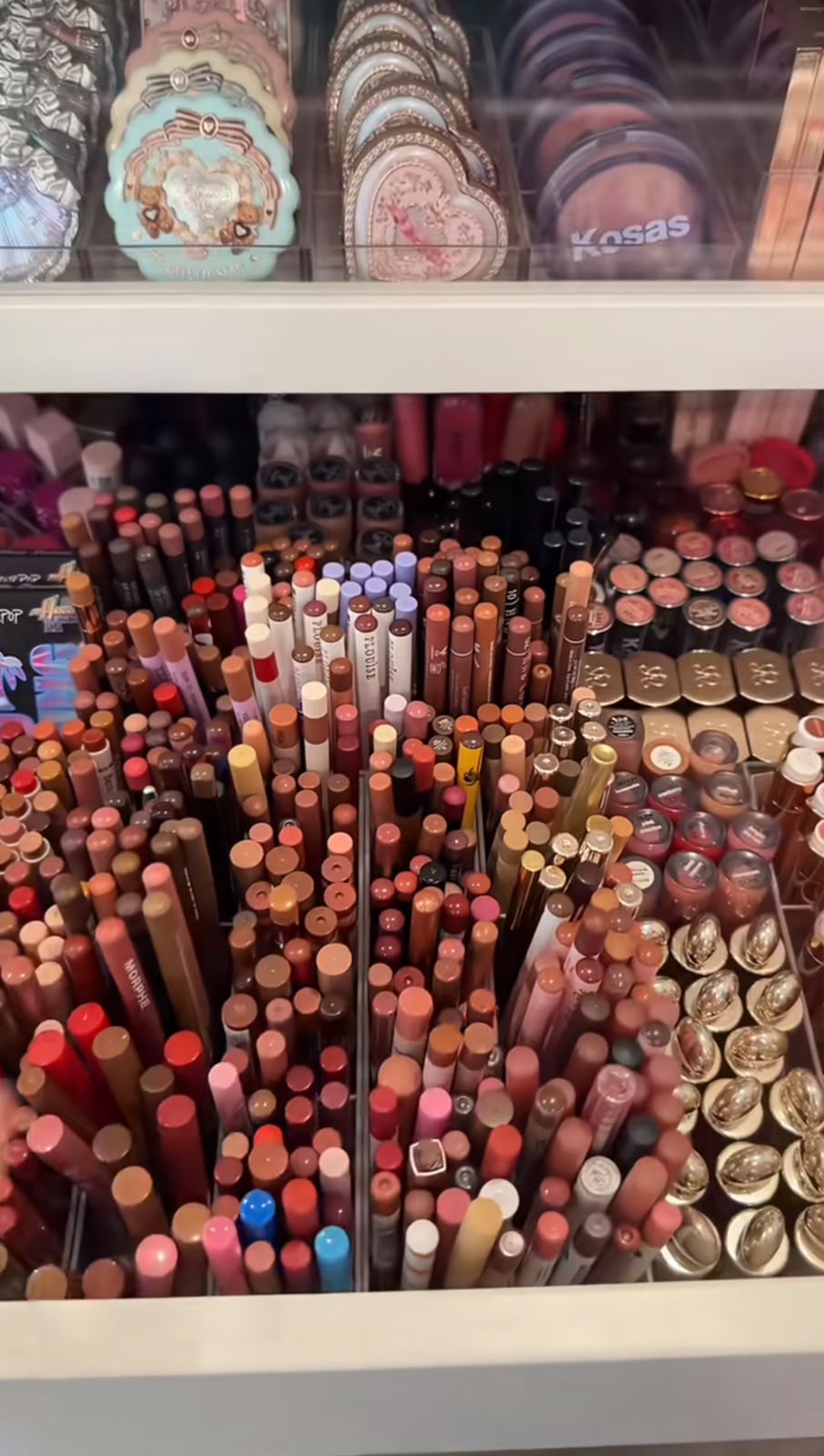
With social media and influencers, there has been a rise in product placements and undisclosed ads that we see every day. You can scroll on TikTok for an hour and end up seeing multiple “influencers” recommending a variety of products and services. These kinds of products are shoved into our faces over and over again, which is damaging to our brains, but it also sells an idea. Influencers pretend they live in some kind of perfect world that can be “easily achieved” by a normal person through just buying the product that they are using. It starts with just one product, but soon it becomes millions. It gets to the point where these creators show room-sized vanities with enough storage to keep food for a year, all filled with makeup and skincare products.
Why the focus on beauty products? Because it is the most mainstream way of selling a lifestyle, especially to women. You don’t have to look for more than a minute on social media to find creators showing off hundreds of products that they allegedly bought or hauls of PR packages they received, and they are usually makeup and skincare-related. There is a fixation on the idea of “perfect skin” and “flawless makeup” that is truly only achievable by using filters or undergoing cosmetic procedures. They are selling the idea that one or several products can change your life and make you look the best you ever have. This is not true. It’s a well-thought-out advertising technique.
The impact of this kind of behavior by brands and how they use creators to sell a lie is much bigger than you can imagine. Of course, the main problem that this causes is that it convinces consumers of a lie that is never going to happen. It makes them obsessed with skin care routines that are full of products that don’t do anything, and it creates a problematic consumption of plastic. Almost every product is packed in a plastic container that will be thrown out without being recycled in less than three months, forcing the consumer to buy it again and again until plastic consumerism rises to the highest levels in years. National Geographic reported that “The amount of plastic packaging on U.S. products (not just on personal care items) has increased by over 120 times since 1960—with almost 70 percent of that waste piling up in landfills.”
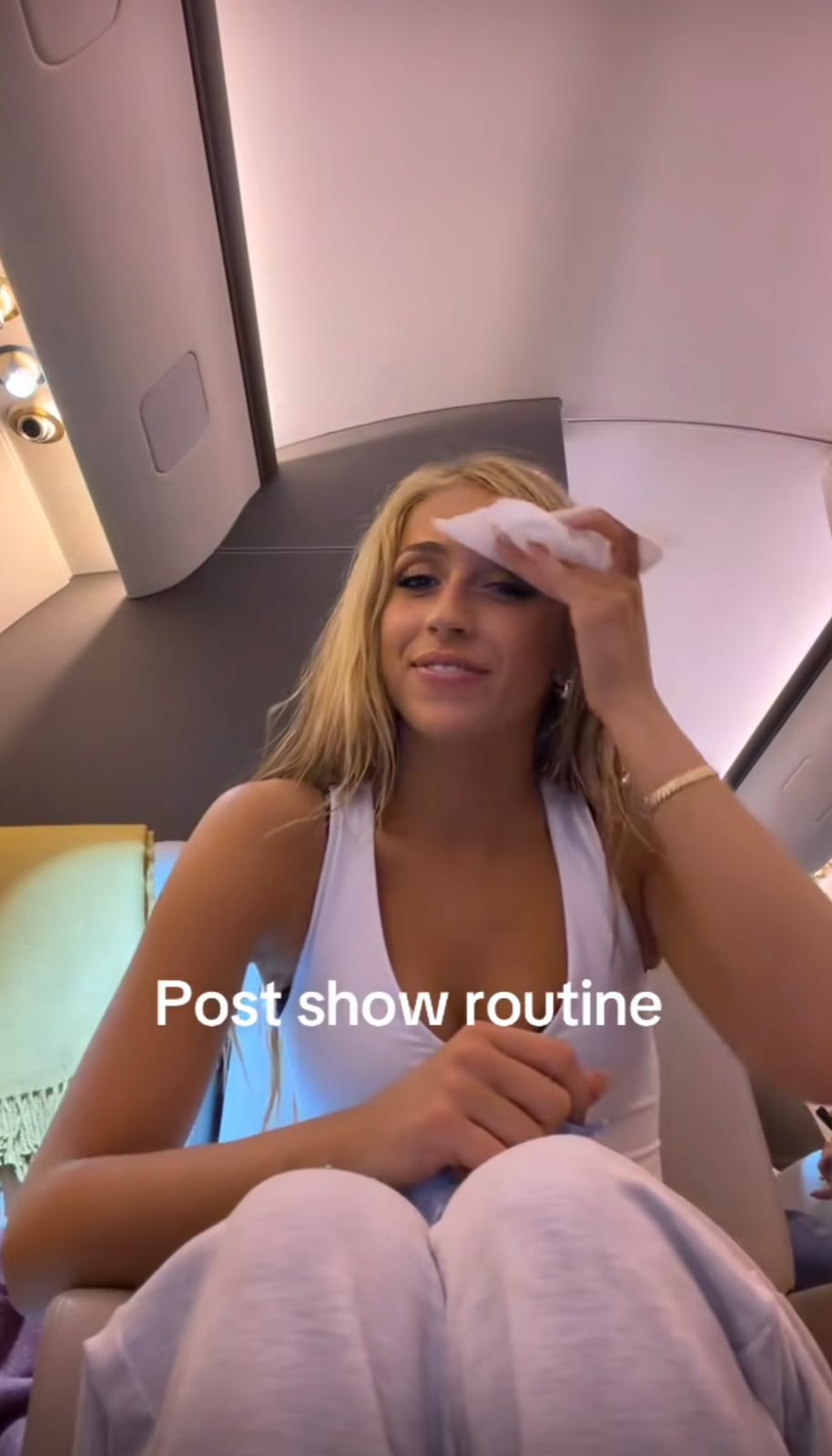
The Tate McRae video is not some once-in-a-lifetime thing; it is just another example of the propaganda we are forced to see every day. It’s proof that these creators sell things they don’t even use, and that they couldn’t even wear for a one-minute video. She couldn’t even take off her makeup with the makeup wipe. If she hates the products that much not to use them, why would anyone wear them? Influencers showing off their room-sized vanity and their poreless skin that is only achievable by several filters, and an out-of-touch pop star unable to wear the cream mask she is promoting even for one second, is the same thing. It is selling a lie: perfect skin that you will not be able to have, but they make you believe is possible if you use their products. In the end, we only get more plastic packaging in landfills and more spending from consumers hoping to get results that don’t even exist.
